

Bitfortune App
The Bitfortune app experience is built to give users full access to the platform from a phone, including casino games, a sportsbook section, and wallet features in a format designed for touch navigation. This guide explains what the Bitfortune app is, how it typically works on mobile, how to install it safely on Android, and what to check when you log in and use payments on a smaller screen. It also covers privacy and security habits that help reduce risk when you use a crypto-first gambling platform on a mobile device.
Bitfortune Mobile Experience
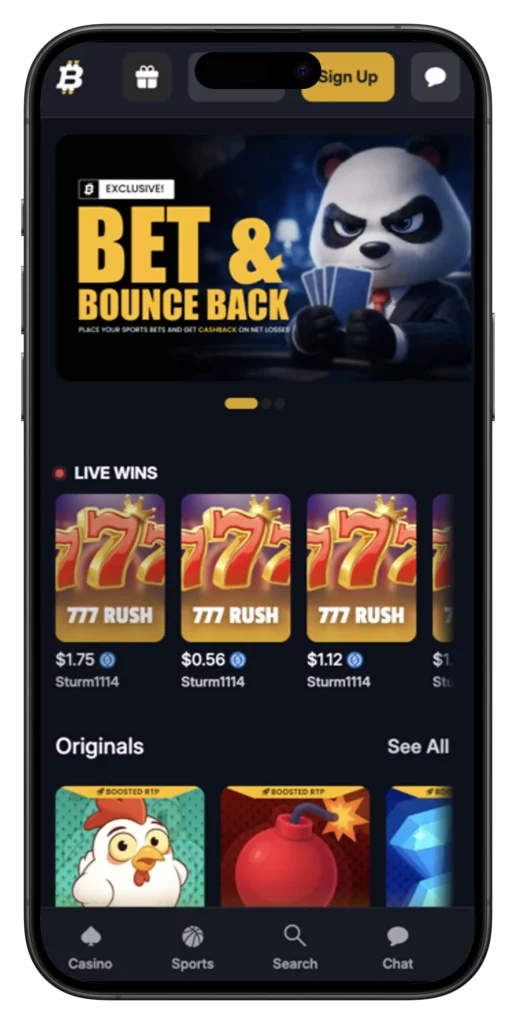
Bitfortune on mobile is designed to mirror the main functionality of desktop use, but with a layout optimized for smaller screens. The key advantage is speed and convenience: you can browse games, open the sportsbook, check your balance, and manage account settings without needing a computer. Most mobile experiences are built around quick navigation, with a compact menu that takes you to casino categories, sports markets, and your wallet in a few taps.
Mobile play can also change how you make decisions. Because everything is closer together on the screen, accidental taps are more common, especially when selecting stakes, market lines, or confirmation buttons. Notifications and app switching can interrupt sessions, and your connection can change from Wi-Fi to mobile data without you noticing. For that reason, the best approach is to treat the Bitfortune mobile experience as fully capable, but use a more careful pace: verify stake settings, confirm you are signed into the correct account, and avoid rushing through payment confirmations.
If your phone is older or you run many apps in the background, performance can vary. Slow loading or freezes usually have practical solutions: update the app or browser, restart the device, close background apps, and ensure your operating system is current.
App vs Mobile Website
You can usually access Bitfortune either through a mobile browser or through an app-like experience if one is offered for your device and region. The mobile website is the simplest route because you do not need to install anything. You open your browser, sign in, and use the platform immediately. This option also updates automatically because each session loads the newest version of the site.
The Bitfortune app option can feel more streamlined because it is designed specifically for phone navigation. Many users prefer apps because menus feel faster, sessions can remain consistent, and the interface is built for touch interactions. On Android, access is sometimes provided through an installation file, which is why you may see references to Bitfortune apk. This method can work well, but it requires extra attention to safety and source verification.
Choosing between the app and the mobile site is usually a preference decision. If you want the least friction and do not want to adjust device permissions, the mobile site is often enough. If you want a more app-like workflow and potentially smoother navigation, the Bitfortune app experience may be more comfortable. Either way, account security and wallet verification remain equally important.
Bitfortune App Features
The Bitfortune app experience typically focuses on a few core areas that users need most often. The first is game access. The lobby and casino categories are organized so you can browse and launch games quickly, and search tools help you find specific titles without long scrolling. The second is sportsbook access, where events are grouped by sport and league, and a bet slip confirms stakes and odds.
The third major area is the wallet and account section. This is where deposits, withdrawals, and transaction history are managed. In a crypto-first environment, the wallet is often the most important feature because it determines how smoothly you can fund and cash out. A clear transaction history view is also valuable, since it helps you confirm whether a deposit is still waiting for confirmations or whether a withdrawal is pending approval.
In addition to these core areas, the app often includes settings and account tools such as profile management, security options, and notifications. If security features like two-factor authentication are available, enabling them improves safety without affecting daily usability. The best app experience is the one that makes these tools easy to find, not hidden behind unclear menus.
Android Installation Guide
Installing on Android depends on what Bitfortune provides in your region. Some users can install through a standard store-based process, while others may install through an official installation file. If an apk method is used, source verification is the priority, because third-party download pages are a common risk area.
Use this safe installation routine on Android:
- Prepare your device by checking that Android is updated and that you have enough free storage for installation and game loading.
- Start only from an official Bitfortune page or official channel rather than random download sites.
- If you are offered a Bitfortune apk, download it directly from the official source and keep the file unchanged.
- If Android blocks the install, you may need to temporarily allow installs from the specific source you used (such as your browser). Enable this only for the installation, then disable it afterward.
- Run the installer, follow the prompts, and wait for completion.
- Open the app and confirm it launches normally before you sign in. If it crashes, restart the phone and try once more after confirming you have the latest version.
- Sign in and, if available, enable security settings such as two-factor authentication.
- Keep the app updated. Updates often include stability and security improvements, and older versions can cause login or performance issues.
If something looks unusual during installation, such as unexpected permission requests, pop-ups, or prompts that do not match a normal install flow, stop and verify the source before continuing. Safety should come before speed.
Setup and Login
Login on mobile is usually simple, but small-screen workflows can cause common mistakes such as incorrect autofill, password manager conflicts, or missing two-factor prompts. Enter your credentials carefully and confirm you are signed into the correct account before you proceed to the wallet or sportsbook.
After your first login, do a quick setup check. Confirm your email address is correct and accessible, because it is often required for password resets and security confirmations. If phone verification is used, confirm the number is correct. If two-factor authentication is available, enable it early and store backup codes securely. These steps reduce account risk, especially when you use Bitfortune on a phone where access is frequent and fast.
Also review session and device settings if they are available. If you see active sessions you do not recognize, log them out and change your password. Mobile devices are often shared or used in public spaces, so it is safer to treat account access as something you lock down proactively rather than only after a problem.
Payments on Mobile
Mobile payments are handled through the wallet/cashier section, but the main challenge is the environment: you may switch between the Bitfortune app and your crypto wallet app, copy and paste addresses, and confirm transactions while on a variable connection. These factors increase the importance of verification.
Deposits typically involve selecting a cryptocurrency, generating a deposit address, and sending funds from your external wallet. Your balance updates after confirmations, so deposits may not appear instantly. When checking status, use the wallet history and refresh the page rather than repeating actions. Repeating a deposit attempt can create confusion, especially if you are waiting on confirmations.
Withdrawals require even more care. You select the currency, enter the destination address, confirm the amount, complete any security steps, then track status. Always copy and paste wallet addresses, verify the first and last characters, and confirm the correct network. If you are withdrawing to a new address for the first time and you are not under time pressure, a smaller test withdrawal can reduce the risk of costly mistakes.
Avoid making payments on unstable public Wi-Fi. If your connection is inconsistent, wait until you have a more reliable network before submitting withdrawals, because interruptions can make it unclear whether a step completed.
Security and Privacy
Security is a combination of platform settings and personal device habits. Start with account protection: use a strong, unique password and store it in a password manager. Enable two-factor authentication if available and keep backup codes offline. Protect your email account as well, because email access often controls password resets and withdrawal confirmations.
On the device side, keep Android updated and avoid installing unnecessary apps from unknown sources. If you use an apk method, be strict about using official sources and disable install permissions after installation. Lock your phone with a strong passcode or biometrics, and do not leave the app open on a shared or public device.
For privacy and network safety, use trusted connections when possible. Public Wi-Fi can expose you to interception risks. If you must use public internet, avoid logging in or making transactions and wait for a safer connection. Also watch for phishing: fake pages and fake mirrors often try to imitate real platforms. If anything about the login page looks unusual, stop and verify the source before entering credentials.
FAQ
Yes. You can typically access Bitfortune through the mobile website in your browser, which is often the fastest way to start.
The mobile site runs in your browser and updates automatically. The app is designed for touch navigation and may feel smoother, but it requires installation and updates.
It can be safe only when it comes from an official Bitfortune source. Avoid third-party download pages and disable install permissions after installation.
Crypto deposits often require network confirmations before the balance updates. Also confirm you used the correct address and network shown in the cashier.
Update the app and Android, restart your phone, close background apps, and clear cache if needed. Performance issues are often caused by outdated versions or limited device memory.
Copy and paste addresses, verify the first and last characters, confirm the correct network, complete all security prompts, and avoid making transactions on unstable connections.



Accepted networks